
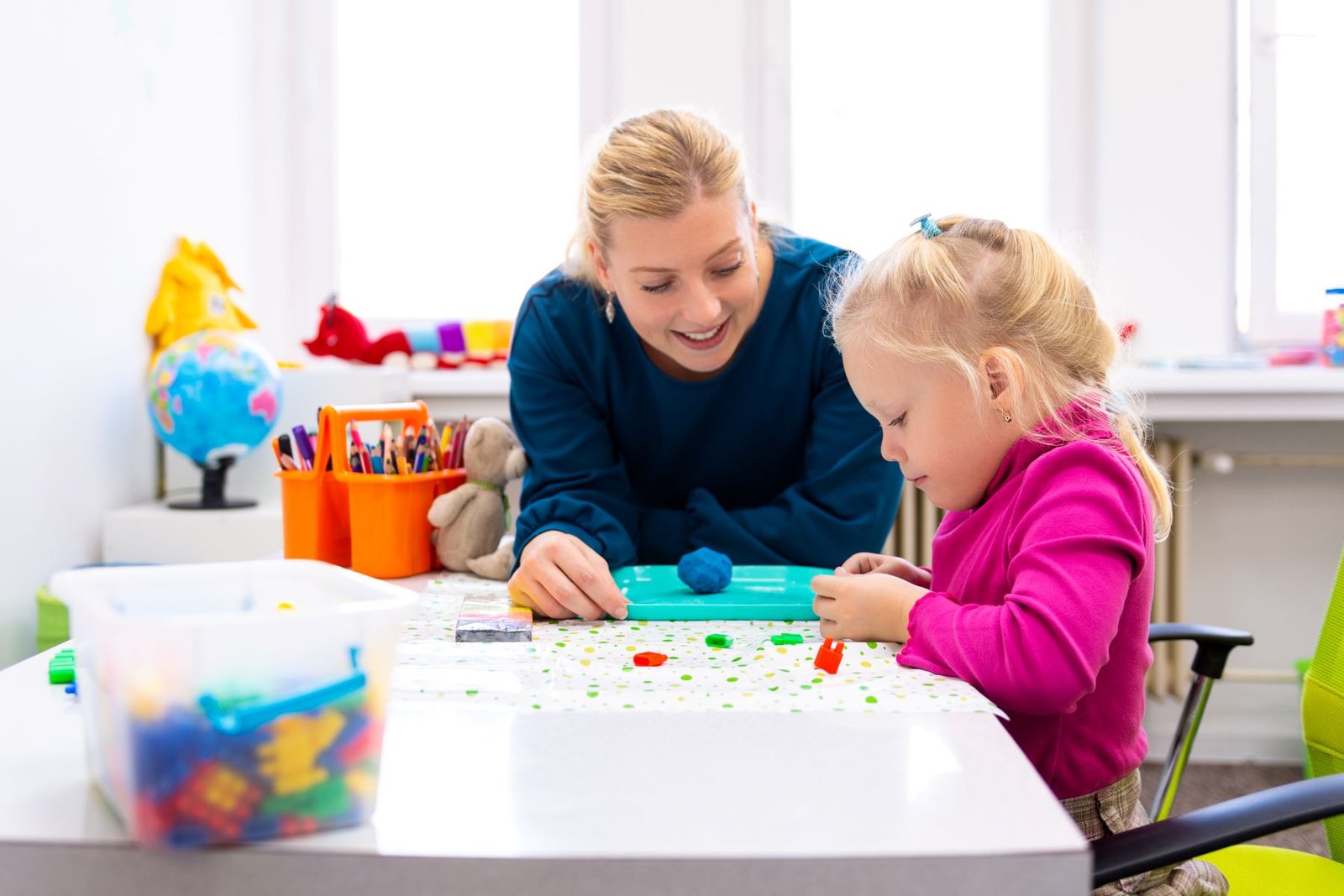
Play therapy is a proven approach that helps children express feelings, process experiences, and develop coping skills through play — their most natural form of communication. For parents, understanding the role of play therapy can make the process feel more supportive and empowering, while also offering guidance on how to reinforce progress at home.
In play therapy sessions, children may use toys, art, storytelling, or games to act out their thoughts and emotions in a safe, non-judgmental space. Therapists observe and gently guide these activities to uncover underlying challenges, build problem-solving skills, and encourage healthier emotional expression. This approach is especially beneficial for children struggling with anxiety, ADHD, Autism Spectrum Disorder (ASD), trauma, or difficulties with social integration.
Parents play a vital role in the therapy process. While sessions are child-centered, therapists often provide parents with feedback and strategies to continue support at home. This might include creating consistent routines, practicing patience and active listening, and offering opportunities for play that encourage emotional connection. With collaboration between the therapist and family, play therapy can become a powerful bridge toward healing, resilience, and stronger family relationships.