
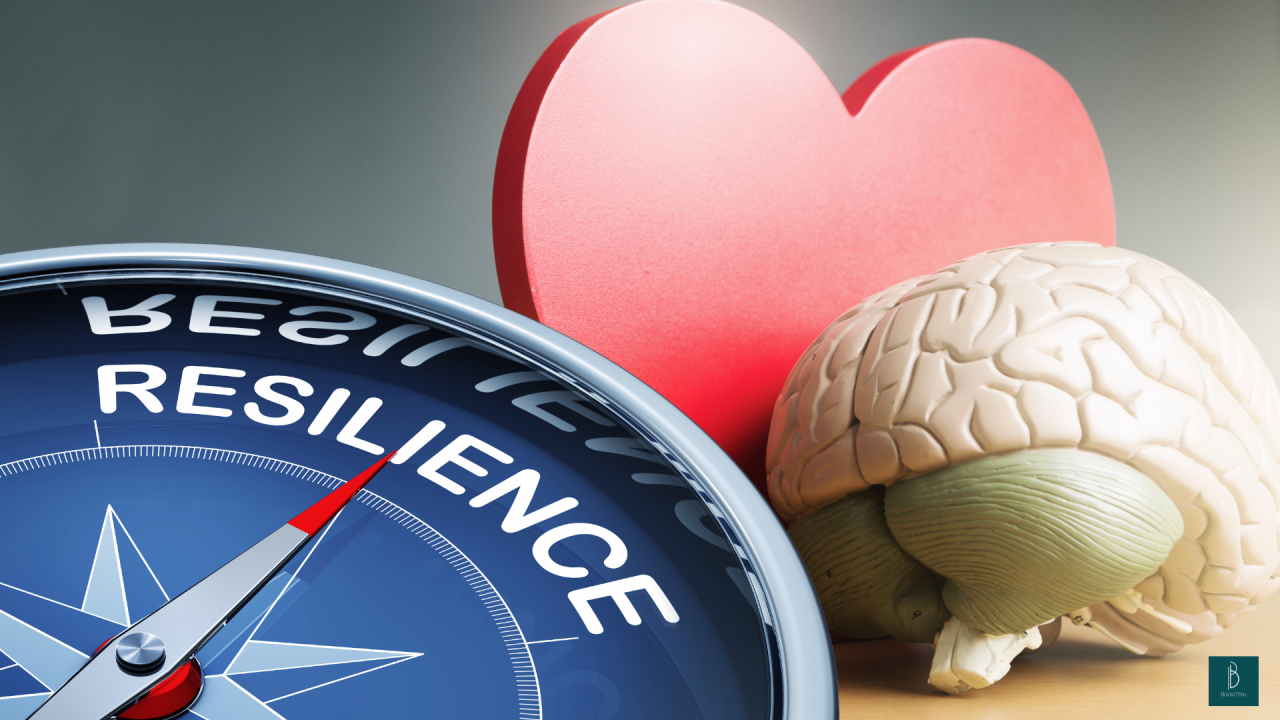
Building emotional resilience means developing the ability to adapt, recover, and even grow stronger in the face of life’s difficulties. Rather than avoiding challenges or denying stress, resilience equips us with tools to manage emotions, reframe negative thoughts, and maintain balance during uncertainty.
Resilience is not a fixed trait—it is a set of skills and attitudes that anyone can strengthen. Simple practices such as mindfulness, journaling, and maintaining supportive relationships help create a solid foundation. By focusing on small, attainable steps—like pausing to breathe in stressful moments or identifying one positive action each day—individuals gradually build confidence in their ability to cope.
Developing resilience also involves cultivating self-compassion. Accepting that setbacks are a natural part of life reduces shame and self-criticism. This perspective empowers people to view challenges as opportunities for learning rather than insurmountable obstacles. Over time, this shift in mindset fosters a deeper sense of inner strength and emotional stability.
Ultimately, building emotional resilience is about progress, not perfection. By practicing patience with ourselves and engaging in consistent, intentional habits, we can create lasting changes that promote well-being, enhance relationships, and support long-term mental health.